Free Samples for Your Brain: The Case for Tasting Skills Before You Buy the Whole Course
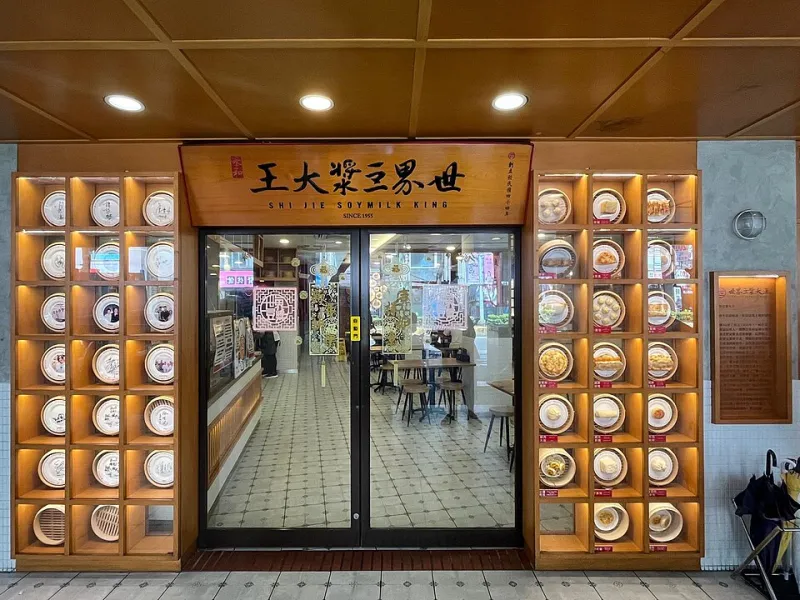
Photo: TonnyTW 0907P, CC0, via Wikimedia Commons
There's a reason the Costco sample lady has more influence over your shopping cart than any ad campaign ever will. You try one bite of a jalapeño popper, and suddenly you're holding a frozen 48-count box you didn't plan on buying. Psychologists call this the endowment effect meets zero-risk trial — once you've tasted something, it's yours in a small way, and committing to the full size feels natural instead of reckless.
Now flip that logic around. When was the last time you sampled a skill before enrolling in a course about it?
Most of us do the opposite. We get inspired on a Sunday night, drop $300 on a comprehensive data analytics bootcamp, blast through the first two modules, and then watch it gather dust next to the treadmill. The course wasn't the problem. The commitment was. We bought the 40-pound tub before we ever tried the sample.
Your Brain Was Never Built for Marathons
Here's what learning science keeps telling us, and what course platforms don't always advertise: adults retain information in short, spaced, self-directed bursts far better than in long, forced sittings. Researchers call it distributed practice. Your brain consolidates material during breaks, not during hour three of a video lecture.
There's also the commitment problem. A 40-hour course feels like a marriage. A 10-minute lesson feels like a coffee chat. When the stakes are low, curiosity actually works — you explore, you experiment, you fail without shame. When the stakes are high, your brain shifts into sunk-cost mode: I paid for this, so I should finish it, even if you're retaining nothing.
And let's be honest about adult life. Between work, kids, and the group chat that never sleeps, nobody has a 40-hour block. But almost everyone can find 15 minutes. The marathon course isn't just pedagogically shaky — it's logistically fiction.
The Tasting Menu: Five Skills, One Week, Zero Dollars
Before you pay for anything, run a week-long sampling experiment. Each day, give one skill a genuine 15-minute taste — not a video about the skill, but the actual thing itself. Here's the menu:
Monday — Data Analysis. Download a free public dataset (something fun, like UFO sightings or NYC pizza ratings) and open it in a spreadsheet. Try sorting, filtering, and building one pivot table. If your brain lights up at the pattern-finding, that's a signal.
Tuesday — Copywriting. Pick a product sitting on your kitchen counter and write three versions of its product description: one funny, one serious, one for your most cynical friend. Real copywriting is rewriting, not inspiration.
Wednesday — Coding. Work through the first few free exercises on a learn-to-code site. The goal isn't mastery — it's noticing whether debugging a broken line makes you feel curious or homicidal.
Thursday — UX Design. Open an app you use daily and critique it. Sketch a redesign of one annoying screen on paper. If you start noticing bad buttons everywhere afterward, congratulations — that instinct is the job.
Friday — Digital Marketing. Find a small local business with a weak Instagram presence and draft (just for yourself) a better post, caption, and hashtag set. Marketing is empathy with a deadline.
Weekend — Review. Flip back through your notes and ask one question: which day did time disappear? That's your sample that worked.
What Your Reactions Are Telling You
The tasting menu isn't about learning the skills — it's about learning yourself. Pay attention to three signals:
- The flow test: Which session ended and you didn't notice? Flow is the most honest career counselor you'll ever meet.
- The curiosity test: Which skill did you look up extra information about, unprompted, later that night?
- The irritation test: Which one felt like homework within four minutes? That's data too. A skill that bores you at the sample stage rarely gets better at the 40-hour mark.
Then — and Only Then — Buy the Tub
If one skill survives the week with your enthusiasm intact, now you can shop for a paid program like a rational adult. You know what you're buying. You've tasted it. You can evaluate a course outline against your own experience instead of a slick landing page's promises.
And here's the quiet bonus: even if you commit to nothing, you've spent five hours getting conversational in five different fields. That's not wasted time — that's exactly the kind of range that makes you interesting in interviews, useful at work, and dangerous at trivia night.
The sample table is open. Take the toothpick, take the bite, and let your actual reactions — not a Sunday-night burst of ambition — decide what goes in the cart.